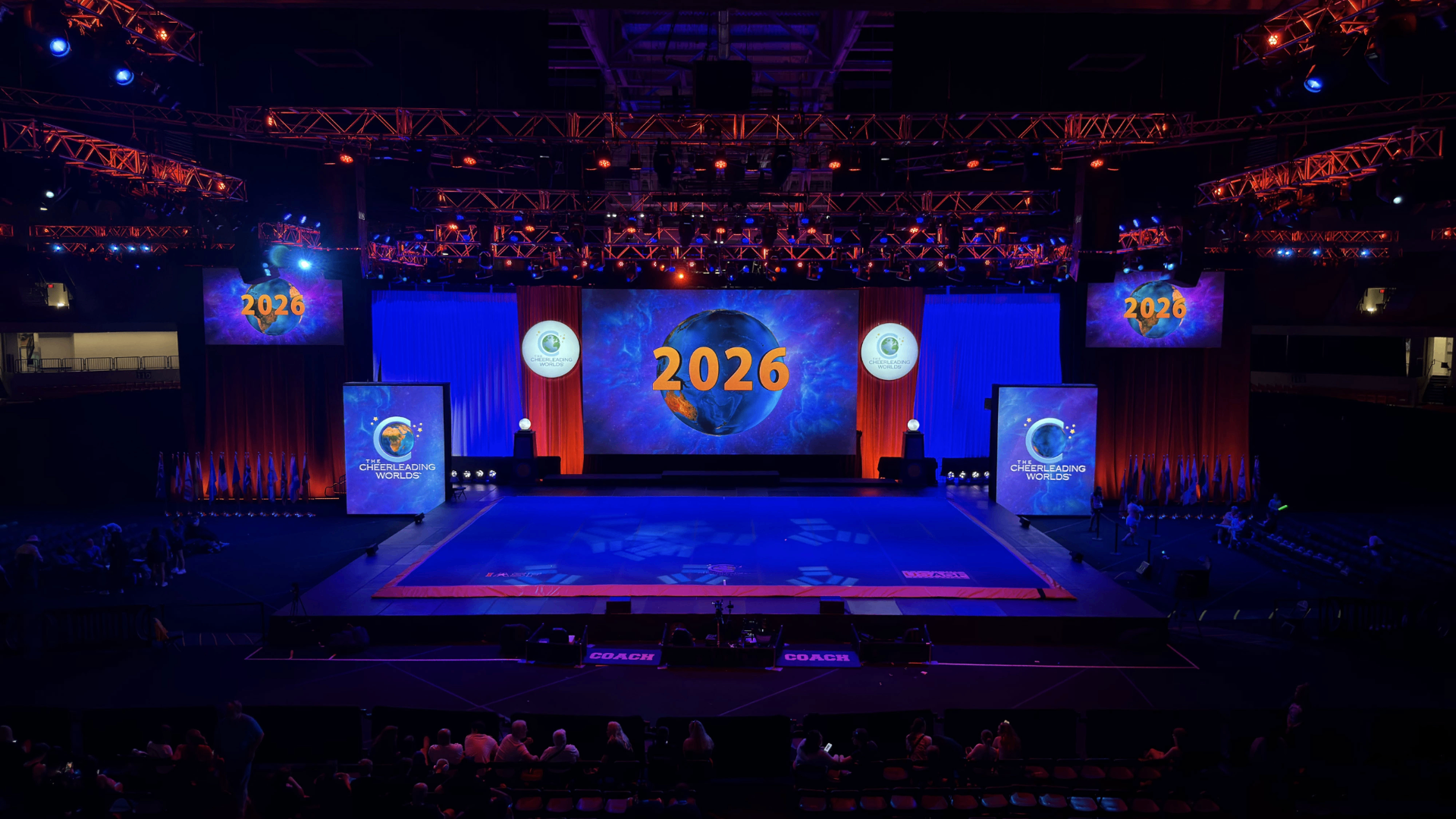
ATLANTA — The U.S. Court of Appeals for the Eleventh Circuit on June 24, 2026 revived the U.S. All Star Federation''s (USASF) trademark lawsuit over the name of its marquee event, The Cheerleading Worlds, reversing a Florida district court ruling that had wiped out the marks as generic.
The decision puts the fight over who can call an event a "Worlds" championship back on the table — and back in front of a jury. For the all star cheerleading community, it''s also one of the most consequential brand-and-business rulings the sport has ever seen.
Quick Primer: What a Trademark Actually Protects
Before unpacking the ruling, a quick crash course — because this case turns entirely on a few legal terms.
- Trademark: a word, phrase, or symbol that tells consumers who is behind a product or service. Think Nike''s swoosh or "The Masters" in golf.
- Generic mark: a name that just describes the thing itself ("Bicycle" for bicycles). Generic names get zero trademark protection — anyone can use them.
- Descriptive mark: a name that describes a feature of the product ("Cold and Creamy" for ice cream). Descriptive marks can be protected — but only if they''ve gained secondary meaning, meaning the public has come to associate the name with one specific source.
- Suggestive / arbitrary / fanciful marks: the strongest tier (think "Apple" for computers). Protected automatically.
- Principal Register vs. Supplemental Register: the USPTO''s Principal Register is the gold standard and gives the owner powerful legal presumptions. The Supplemental Register is a holding tank for marks that aren''t distinctive enough yet — it offers some protection while a brand builds up consumer recognition.
That last distinction matters here, because one of USASF''s two marks lives on the Supplemental Register.
The Marks at the Center of the Case
Two marks are in play:
- THE CHEERLEADING WORLDS — registered on the USPTO''s Supplemental Register.
- WORLDS — claimed by USASF as an unregistered common law mark built up through years of use.
USASF, a governing body in competitive all star cheerleading, has run an annual event under those marks since 2004. The Cheerleading Worlds is the sport''s capstone competition — invite-only, held each spring at Walt Disney World Resort, broadcast on ESPN, and the event most elite Level 6 and Level 7 programs build their entire season around.
The defendants — including former members of the organization now operating the Texas-based Open Cheer & Dance Championship Series — launched a similarly named event in the same competitive corridor. USASF says the overlap caused real confusion among athletes, gym owners, and fans, with programs unsure which "Worlds" they were actually competing at or qualifying for.
How We Got Here: The District Court Ruling
In July 2024, the U.S. District Court for the Middle District of Florida granted summary judgment for the defendants. ("Summary judgment" means the judge decided the case could be resolved on the law without a jury trial, because no reasonable juror could find for the other side.)
The district court concluded both marks were generic as a matter of law. In plain English: the court said "the cheerleading worlds" and "worlds" merely describe the basic category of service — a cheerleading world championship — and therefore could never function as a brand the way "Super Bowl" does for the NFL.
The court largely set aside survey-style and market evidence that the public connected the marks specifically to USASF, leaning on the fact that USASF''s event had long been the only one of its kind. It also rejected USASF''s argument that the defendants had given up their right to challenge distinctiveness, because an earlier affirmative defense had been dismissed with prejudice.
That ruling, if it had held up, would have effectively opened the door for anyone in the industry to brand an event as a "Worlds" championship.
June 24, 2026: The Eleventh Circuit Reverses
The Eleventh Circuit didn''t buy it. The appellate panel held that:
- Distinctiveness was properly before the district court — because distinctiveness is an element of USASF''s own claim, not an affirmative defense the defendants had to preserve. In other words, USASF always had to prove its marks were distinctive, so the defendants weren''t locked out of fighting that point.
- There are genuine disputes of material fact about whether the marks are descriptive (not generic) and whether they''ve acquired secondary meaning. The court pointed to evidence that athletes, coaches, and media outlets routinely use "Worlds" to refer specifically to USASF''s event — exactly the kind of public association trademark law cares about.
- A reasonable jury could find the marks protectable. Once a fact question exists, summary judgment is the wrong tool — that''s what trials are for.
The panel sent the case back for trial and declined to rule on likelihood of confusion or the individual defendants'' personal liability without the factual record a trial will produce.
What "Secondary Meaning" Looks Like in Cheer
Secondary meaning is usually proven with a mix of:
- Length and exclusivity of use (USASF has used "Worlds" since 2004).
- Amount and reach of advertising and media coverage (ESPN broadcasts, Varsity TV, social).
- Sales and attendance figures.
- Consumer surveys showing recognition.
- Unsolicited media and third-party references — every time a gym''s website says "We''re going to Worlds," that''s arguably evidence.
Expect both sides to bring exactly that kind of evidence to trial.
Why It Matters for Athletes, Coaches, and Gym Owners
Trademark fights can feel like inside-baseball lawyer drama, but this one touches the daily reality of competitive cheer:
- Bid clarity. Bid systems are how teams qualify for end-of-season majors. If multiple events can call themselves "Worlds," the meaning of a "Worlds bid" gets muddier for families, recruiters, and sponsors.
- Event branding. Producers planning new championships need to know whether they can use "Worlds," "World Championship," or near-variants without litigation risk.
- Athlete résumés. "Worlds champion" carries weight in college recruiting, coaching jobs, and sponsorship. The legal status of that title affects how the market reads it.
- Industry consolidation. The case is also a proxy battle in a larger fight over who controls the top of the all star pyramid, especially as Varsity Spirit, USASF, and a growing wave of independent producers compete for the same gyms.
The Bigger Picture: Sports and "Worlds" Branding
USASF isn''t the first governing body to defend a championship name. The NFL has aggressively policed "Super Bowl." The USOPC owns "Olympics" and "Olympiad" by federal statute. FIFA guards "World Cup." Each of those fights helped define the line between a sport''s common vocabulary and a brand''s exclusive property. The Eleventh Circuit''s ruling drops cheer into that same conversation — and signals that courts won''t treat decades-old championship brands as throwaway descriptors without a trial.
What Happens Next
The case heads back to the Middle District of Florida for further proceedings, almost certainly toward a jury trial unless the parties settle. Key questions left to resolve:
- Are the marks descriptive, and have they acquired secondary meaning?
- Did the defendants''s use of similar branding actually cause consumer confusion?
- Are the individual defendants personally liable, or only their corporate entities?
A trial date hasn''t been set. Cheer Daily will continue to follow the case as it develops.
The Bottom Line
The Eleventh Circuit''s message is clear: you don''t kill a championship brand on summary judgment when the public has been calling it by that name for two decades. Whether USASF ultimately wins or loses, the all star industry just got a very public reminder that names — and the bids, titles, and prestige attached to them — are valuable enough to fight over all the way to the federal appeals court.
Case: No. 24-12653, U.S. Court of Appeals for the Eleventh Circuit, decided June 24, 2026. This article is reporting and explainer commentary, not legal advice.